
Gynecomastia surgery is often life-changing, giving many men more confidence and comfort in their appearance. Even after successful surgery, some patients still ask whether their gynecomastia might return. At the Phoenix Gynecomastia Center, our team understands that long-lasting results matter, and that lingering doubts can feel frustrating.
Learning about the chances of recurrence will help you prepare for your journey, set realistic expectations, and make choices that protect your results. Today’s article answers a common question: Can gynecomastia come back after surgery, and if so, what steps can help keep it from happening?
Here, we explain the facts you need to know before, during, and after treatment.
Key Takeaways
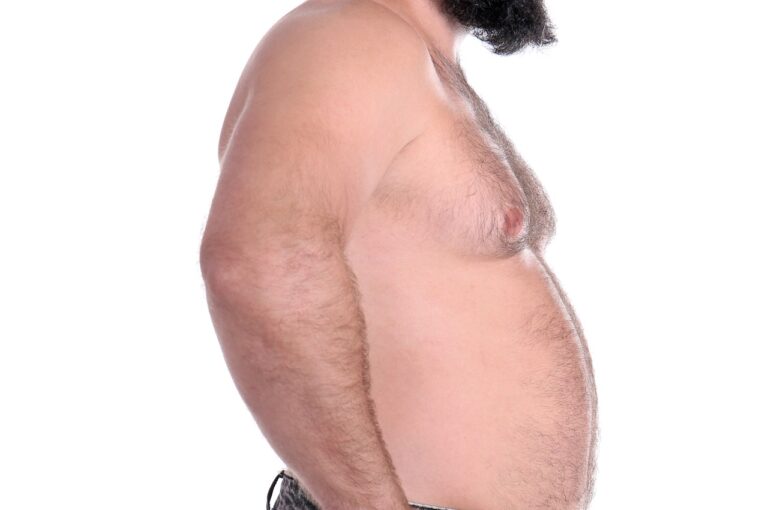
What to Expect from Gynecomastia Surgery Outcomes
Men often seek gynecomastia surgery to remove unwanted breast tissue and reshape the chest. This procedure may combine liposuction with direct excision of glandular tissue, or focus on one method, depending on the case.
Types of Tissue Removed
True gynecomastia includes both fatty tissue and dense glandular tissue beneath the nipple. Liposuction targets excess fat, while tissue excision removes the gland. Our surgeon tailors the approach based on your exam and specific needs.
Removing only fatty tissue may improve shape, but if the gland remains, the risk for recurrence can rise.
Cosmetic and Emotional Benefits
Patients report a boost in self-image and feel more comfortable wearing fitted shirts or swimming without worry. Many say the physical freedom and reduced self-consciousness are just as important as the visible changes.
Expectations for Permanent Results
Gynecomastia should not return if unhealthy tissue is fully removed and hormone levels stay stable. Even so, specific triggers can lead to new growth or changes.
Why Gynecomastia Can Return After Surgery
Most men enjoy permanent results after their chest sculpting surgery. However, it remains important to know what might spark a return of breast tissue.
Common Triggers of Recurrence
Certain risk factors raise the chance that gynecomastia could return after surgery. Some of these factors can be controlled, while others may need careful monitoring or regular check-ins with our practice.
- Incomplete gland removal: If the entire gland is not taken out, tissue left behind might grow again, especially if risk factors continue.
- Significant weight gain: Fat cells can increase in size even after some are removed, leading to a more feminine chest shape, especially if large gains occur.
- Hormonal imbalance: Conditions like low testosterone or high estrogen, or medications that affect hormones, may spur regrowth.
- Prescription drugs or anabolic steroids: Medications such as certain antidepressants, spironolactone, anabolic steroids, or some heart medications can shift hormone levels and trigger breast tissue changes.
- Substance use: Marijuana use or heavy alcohol can raise gynecomastia recurrence risk because of altered hormone metabolism.
Our surgeon at the Phoenix Gynecomastia Center carefully reviews medical and personal histories to assess these factors and customize the surgical approach for each patient.
How Surgical Technique Affects Recurrence
A lasting result depends on choosing the right surgical technique. Our surgical team uses a detailed approach to identify and remove both gland and fat components. Skipping gland removal increases the chance that the problem could return.
Some practices may focus mainly on liposuction if the chest feels soft and fatty. However, if gland tissue remains beneath the nipple, even dramatic fat loss will not flatten this area, and regrowth can follow.
Age and Genetic Influences
Younger patients whose bodies are still changing may face a higher chance of recurrence, especially if hormonal swings continue after surgery. Men with a family history of gynecomastia or endocrine disorders may also need ongoing attention to protect surgical results.
Risk Factors for Recurrence
Several specific factors can increase the odds of gynecomastia returning after surgery. Knowing these allows you and our team to plan ahead for prevention.
- Incomplete Tissue Removal: Leaving even small amounts of gland behind increases the risk that breast tissue might return later, especially with hormonal changes.
- Major Weight Fluctuations: Large weight gains add more fat to the chest, while significant losses can leave behind loose tissue that mimics breast fullness.
- Hormonal Conditions: Thyroid problems, low testosterone, high estrogen, and some pituitary issues can all cause changes that make breast tissue likely to grow again.
- Medication Side Effects: Regular use of medications such as some anti-anxiety drugs, certain antibiotics, or others that disrupt hormone balance may impact recurrence.
- Substance Use: Regular or heavy use of anabolic steroids, alcohol, or marijuana raises the chance of new breast tissue growth.
- Age and Puberty: Men who have surgery before completing puberty may face a higher risk, as hormone levels can still change significantly.
Our surgeon can personalize your procedure and follow-up plan for the best long-term outcome once you identify which risk factors apply to you.
Steps That Lower the Risk of Recurrence
While no surgery can guarantee results for life, most men can enjoy permanent improvement by following proven steps both before and after their procedure.
Surgical Planning and Technique
Choosing an experienced gynecomastia surgeon is the single most important factor for lasting success. At the Phoenix Gynecomastia Center, our surgeon starts with a detailed exam to map out both glandular and fatty tissue. By combining gland removal with targeted liposuction, we address all the types responsible for breast fullness.
Proper closure and wound support help prevent contour irregularities later.
Choosing the Right Time for Surgery
Timing matters when scheduling surgery. Patients should wait until puberty is complete and hormone levels are stable to ensure the best chance of lasting change. If medication or an underlying condition has caused breast growth, our surgeon guides you through any needed medical tests or coordination with your primary doctor.
Lifestyle Choices That Make a Difference
Healthy daily choices do not just support overall well-being. They also directly impact your long-term chest appearance.
- Maintain a stable, healthy weight, since large weight gains can change your chest shape even after tissue removal.
- Stay active with regular cardio and strength training to help support hormone balance.
- Avoid substances such as anabolic steroids, marijuana, or excess alcohol, because these can upend hormone levels.
- Inform your doctor before starting or stopping any medication that might impact hormones.
Our aftercare instructions aim to give you clear, actionable steps you can follow to protect your new chest for years to come.

Signs That Gynecomastia Might Be Returning
Even years after surgery, it’s wise to keep an eye on your chest for early signs of possible recurrence. Prompt action allows for easier solutions if any new tissue appears.
What to Watch For
Mild tenderness, new swelling, or a subtle lump under the nipple are early signals that something might be changing. Sometimes, clothing feels a little tighter across the chest, or a small bump appears where tissue was removed.
Keep in mind, though, that minor variations in sensation, firmness, or skin texture are common as the body heals and matures, especially in the first year. True recurrence involves a clearer return of glandular tissue, not just natural minor changes.
When to Contact Your Surgeon
If you see or feel any of the following, reach out to our surgeon at the Phoenix Gynecomastia Center:
- A firm lump under the nipple that is growing or causing discomfort
- Visible swelling on one or both sides of the chest
- Significant changes in nipple shape or contour
Our team is always happy to discuss your concerns and recommend a physical evaluation or imaging if needed.
Preventive Measures After Surgery
From day one after surgery, certain steps lower your risk and protect your results for years to come.
Post-Surgery Aftercare Recommendations
Our recovery plan guides you through every stage of healing. You will wear a support garment to reduce male breast reduction swelling and protect new contours for several weeks.
Avoid strenuous chest exercise or heavy lifting during the early weeks, since these actions can disrupt the healing tissue and contribute to scarring or unwanted changes.
Follow up with scheduled appointments so our surgical team can monitor recovery. Alert us right away if you notice redness, heat, swelling, or sudden shape changes.
Long-Term Health Habits
Lifelong habits matter as much as the right surgery. Eat a balanced diet with a focus on whole foods and lean protein. Stay physically active and keep your weight within a healthy range.
Update our team if your primary doctor prescribes any new medication that might disrupt hormone balance. A healthy lifestyle not only maintains your chest shape but also supports your confidence and overall vitality.
How We Support Long-Term Results
Choosing the right surgical team sets the foundation for a positive outcome, yet our relationship with patients often extends long after the operating room. We are committed to protecting your results through education, follow-up care, and personalized guidance.
Personalized Pre-Surgical Planning
Our first meeting includes a complete assessment of your body, risk factors, and goals. Our surgical team uses updated imaging, hormone tests when needed, and thorough physical exams to map out an approach that clears away both fat and glandular tissue.
We discuss the best timing for surgery, any lifestyle adjustments, and what to expect in the weeks that follow. This conversation creates a partnership where we address concerns long before the procedure starts.
Ongoing Check-Ins and Communication
Regular follow-up visits give us the chance to catch early shifts and fine-tune your aftercare. Patients feel supported knowing their surgeons remain available for questions even years after their procedure.
We always invite you to share updates or ask about new medications, symptoms, or health changes that could impact your chest. At the Phoenix Gynecomastia Center, our support never stops at the door.
Frequently Asked Questions About Recurrence
Most men have questions about what to expect years after surgery. This section provides straightforward answers to the topics we discuss most often at our Phoenix office.

Secure Your Results After Gynecomastia Surgery
Gynecomastia surgery offers real and lasting freedom from unwanted breast tissue for most men. While the chance for recurrence exists, it remains low when a skilled surgeon performs complete tissue removal, and you follow a healthy path after surgery.
Knowledge about risk factors, prevention, and early signs of change will empower you to enjoy your improved chest for years. At the Phoenix Gynecomastia Center, our team partners with you before and after surgery to build a solid plan that protects your confidence and health.
If questions remain or if you seek personalized advice, contact our office to schedule a private consultation. Our friendly staff and experienced surgeon are ready to help you make informed choices for lasting peace of mind.