
Gynecomastia surgery often brings relief and confidence for men who have struggled to feel comfortable with their chest. At the Phoenix Gynecomastia Center, we understand that recovery is just as important as the procedure itself, and most patients want clear guidance on what to expect after their surgery.
You can prepare with confidence, keep realistic expectations, and stay calm through recovery once you know the week-by-week timeline. In this article, we will walk you through every stage, describe the milestones, and point out signs to watch for as you move from surgery day to a full return to your daily life.
Key Takeaways

What Happens Immediately After Gynecomastia Surgery
The first few hours after your procedure set the foundation for a smooth recovery. Our surgical team closely monitors you in the recovery area until you wake up fully from anesthesia.
Most patients feel groggy, sore, or a bit disoriented during this early stage. Clear fluids and light foods are introduced as tolerated, and pain medications are usually available to keep discomfort minimal.
Our surgeon applies dressings and a compression vest immediately after the procedure. This garment provides gentle pressure to help minimize swelling and support the healing chest tissues as you begin recovery at home.
Pain, Drainage, and Medication
You may experience mild to moderate pain during the first 24 to 48 hours. Our doctor often prescribes pain relief medication for the first few days, which is adjusted according to your needs. Some patients also require a small surgical drain, which removes excess fluid during the first few days when necessary.
The Transition Home
Most people return home on the same day. Our nursing staff offers full postoperative instructions, including how to care for incisions, take medications, and recognize signs that may require urgent attention.
Week 1 After Surgery: Rest and Initial Healing
Your body needs rest to start the healing process. This first week usually brings the most discomfort, but also sets the stage for proper recovery.
Swelling, Bruising, and Discomfort
Most patients notice significant swelling and bruising during the first week. The chest may feel tight, sore, or even itchy. These symptoms gradually ease, especially when you keep wearing the compression garment as advised.
Sleep on your back with your upper body elevated if possible. This can help reduce swelling and increase comfort.
Movement and Activity Restrictions
Patients should avoid strenuous activity, heavy lifting, and any exercise. Short walks around the house are encouraged to maintain circulation and decrease the chance of blood clots.
Key Reminders for Week 1
- Keep All Dressings Clean: Protect your incisions from moisture and dirt, and only change dressings as advised by your surgeon.
- Use Your Compression Vest: Wear the provided vest as directed both day and night.
- Monitor For Red Flags: Notify our office immediately if you notice severe pain, increasing swelling, pus, redness, or fever.
Most people feel ready to return for their first post-op visit at the end of this week, where our leading plastic surgeon assesses healing and addresses your questions.
Week 2: Decreased Swelling and Early Mobilization
The second week often brings a turning point. Swelling and bruising typically begin to fade, and pain continues to subside.
Most patients notice increased energy and improved ease of movement, though your chest may still feel sensitive.
Follow-Up with Our Office
Patients usually attend a follow-up visit during this week. Our surgeon checks the incisions, removes any remaining bandages or drains, and confirms that healing is on track. This is a great time to discuss activity adjustments and ask about ongoing care.
Daily Life and Self-Care
Many people feel well enough to return to work, especially if their job is not physically demanding. You should still avoid exercise, contact sports, and any activity that risks direct impact to your chest.
Gentle daily routines are fine, and it is safe to shower once your dressings and drains are removed. Continue using your compression vest unless our surgical team advises otherwise.
Weeks 3 and 4: Resuming Activities and Noticing Early Results
Most patients feel a significant improvement as the third and fourth weeks begin. Swelling and bruising continue to resolve, and pain is usually mild and rare.
What to Expect at This Stage
You may notice your results becoming visible. The chest flattens, and the contour improves. Some minor swelling remains, which is normal and will continue to disappear over the coming weeks.
Most individuals feel ready to expand daily activities. However, high-intensity exercise and any chest muscle workouts should still be postponed.
Compression Garment Use Through The First Month
Proper compression is still important through weeks three and four. Our office usually advises patients to keep wearing the vest for up to four weeks, or until post-gynecomastia surgery swelling resolves and the chest stabilizes.
If our doctor finds that healing is progressing faster or slower, you may adjust vest use accordingly. This consistent pressure supports even healing and helps with final contour.

Weeks 5 to 8: Returning to Normal Life
This period brings more freedom as the chest stabilizes and most restrictions lift. Our surgical team encourages gentle exercise, with some important modifications.
Activities You Can Resume
By weeks five to eight, most swelling and bruising have resolved. Many patients can gradually return to light aerobic activity, including:
- Walking or Jogging: Low-impact movement boosts circulation, and most find this comfortable.
- Non-Chest Workouts: Focus on legs, core, or other areas, while still giving the chest time to recover.
- Driving: Most patients drive comfortably once off all prescription pain medication.
Lifting heavy weights or intense upper body routines should remain on hold. Activities with risk of chest injury or stretching the incisions are not recommended yet.
Scar Care and Massage
Incisions should be fully closed by this time. At this stage, our doctor may recommend gentle scar massage or silicone-based gels to help flatten and fade scars. Proper scar care can reduce visible marks in the long term.
Emotional and Physical Changes
Patients often feel more confident as they see real results by week six. It is common to still notice some unevenness, numbness, or a firmer feel beneath the skin. Most of these sensations fade as the tissues continue to remodel.
Common Challenges and How to Handle Them
Each recovery can include unique setbacks, and knowing what to expect helps ease anxiety. Our team provides guidance and reassurance if you notice the following common issues.
Temporary Numbness or Tingling
Some patients experience numbness or tingling near the incision sites. This is often due to minor nerve irritation. Sensation usually improves steadily during the first few months.
Seromas and Hematomas
A seroma is a pocket of fluid that may collect under the skin, while a hematoma is a collection of blood. Our surgeon monitors for these issues at each follow-up. If you notice sudden swelling or a hard lump, contact us immediately.
Mild Asymmetry
It is normal to see some unevenness during early healing. Swelling may resolve at different rates on each side. Most asymmetry fades as final results settle.
Signs of Complications That Require Prompt Medical Attention
Although most recoveries are smooth, watching for certain symptoms helps ensure your safety. If you notice any of the following, contact our office without delay:
- Sudden Increase in Pain: Pain that worsens rather than improves may signal infection or internal bleeding.
- Redness and Heat Around Incisions: These can be signs of infection and require examination.
- Fever Above 101 Degrees: Persistent fever can mean a problem that needs medical evaluation.
- Persistent Fluid Accumulation: Ongoing large collections of fluid, such as a seroma, may warrant drainage.
- Open or Non-Healing Wounds: If an incision splits open or does not heal as expected, let our surgical team evaluate it soon.
Our staff is available for questions and support, so never hesitate to get in touch if you have concerns.
Long-Term Recovery: Months 2 Through 6
The weeks and months after your initial healing bring subtle but important changes. Final results evolve as swelling fully disappears and tissues settle.
How Scars and Tissue Feelings Improve
Scars often appear red or raised at first, then gradually fade to a soft, thin line that matches your skin tone better. Some patients still report mild numbness, firmness, or even slight lumpiness, all of which usually resolve by six months.
Returning to Full Activities
Most patients can resume all normal physical activities by the second or third month. Our surgeon confirms readiness at follow-up visits, especially for weightlifting, contact sports, or strenuous routines.
Maintaining Your Results
A healthy lifestyle, stable weight, and chest protection all promote long-lasting results. Our team encourages you to check in if new questions or concerns arise even after several months.
Tips for Optimizing Your Recovery
Successful healing after gynecomastia surgery involves more than just following basic timelines. We advise our patients to:
- Follow All Postoperative Instructions: Each recommendation from our doctor is designed to prevent complications and promote ideal healing.
- Attend All Scheduled Follow-Ups: These visits allow us to catch early problems, offer reassurance, and adjust care as needed.
- Eat Nutritious Foods and Stay Hydrated: A healthy diet supports your body’s recovery and boosts your energy.
- Protect Your Chest: Avoid direct sun on scars for at least six months to minimize darkening and protect the results.
- Monitor Your Progress: Keep track of any symptoms, and reach out for guidance if anything seems unusual.
Focusing on these strategies can make your recovery smoother and enhance your outcome.
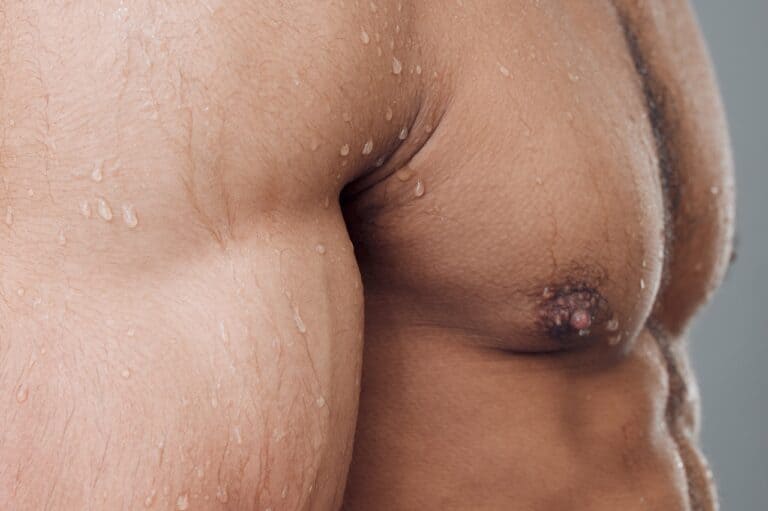
What to Expect After Recovery
Gynecomastia surgery involves a journey, and the recovery period shapes your results both physically and emotionally. Knowing what to expect each week after your procedure can provide confidence and peace of mind as you heal.
At the Phoenix Gynecomastia Center, we believe that excellent follow-up and supportive care are essential for the best possible experience. Our surgical team is committed to providing you with detailed instructions and open communication at every stage.
If you are considering gynecomastia surgery, or if you want to learn more about the recovery timeline, we invite you to reach out to our office. Schedule a consultation with our doctor and take the first step toward a more comfortable and confident future.