
Gynecomastia surgery can give you a flatter, firmer chest, which often brings significant relief and renewed confidence. In the days and weeks after your procedure at the Phoenix Gynecomastia Center, you might notice some swelling. This is a normal part of healing but can be uncomfortable and worrying if you do not know what to expect.
Our team wants you to feel knowledgeable about every step of recovery. By following the right steps, you can reduce swelling more quickly and help your body heal. Let us walk you through everything you need to know so you can enjoy your results as soon as possible.
Key Takeaways
What Causes Swelling After Gynecomastia Surgery?
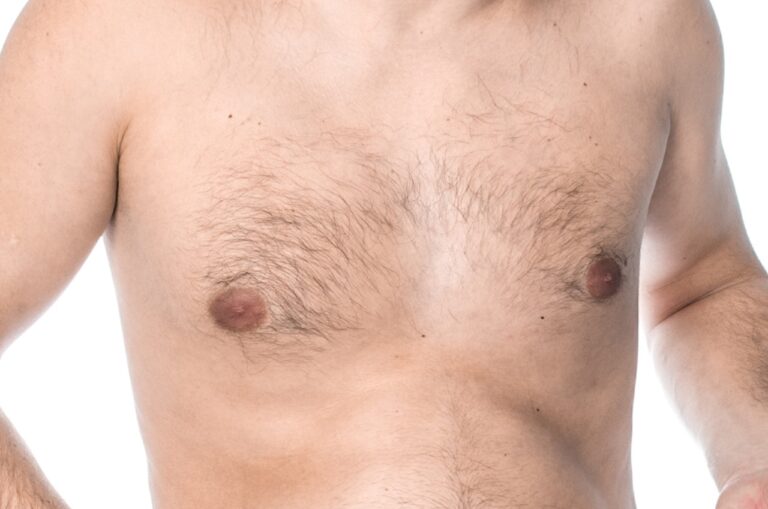
Right after surgery, your body moves extra fluids into the area to start the healing process. This fluid causes visible swelling and some patients notice that it peaks within the first five days.
Our surgeon carefully closes all incisions and places tissue to minimize trauma, but you may still notice this swelling as your body heals. This response is natural because your tissues are repairing themselves and clearing out the byproducts of surgery.
Fluid can sometimes collect under the skin, known as a seroma, and this can contribute to swelling. Your new chest shape will gradually appear more defined as the swelling fades.
Immediate Steps You Can Take to Minimize Swelling
The Phoenix Gynecomastia Center provides clear instructions for your early recovery. Prompt action helps limit swelling before it becomes noticeable.
Compression Garments
Our surgeon will fit you with a snug compression vest as soon as your procedure ends. This vest is a key tool in managing swelling.
Compression keeps gentle, steady pressure on the surgical area, which helps limit fluid buildup. It also supports your chest shape and can lower the risk of complications.
You must wear this garment 24 hours a day (except when showering) for at least three weeks. Removing it too soon can cause more swelling or slow your healing.
Cold Compresses
Cold reduces blood flow and numbs sore tissue, which helps with swelling in the first three days. At home, place a soft, wrapped cold pack on your chest for 15 minutes at a time, then remove it for 20 minutes. You can repeat this cycle throughout the day.
Never put ice directly on your skin, as this can cause frostbite. Ask our surgical team if you are unsure about using cold therapy with your garment.
Position and Elevation
Resting with your head and chest elevated (at about a 45-degree angle) can reduce pressure on the area and help fluid drain away from your chest. You should use extra pillows behind your upper back and head for at least one week after surgery.
Sleeping flat on your back can make swelling worse. Try not to roll onto your side or stomach to keep pressure off healing tissue.
The Role of Compression Garments in Recovery
Compression garments deliver real benefits beyond just minimizing swelling. Our team will carefully select and fit your compression vest, which becomes an essential part of your early recovery.
Why Compression Works
Compression works by preventing fluid from building up between your skin and muscle. This constant pressure helps your lymphatic system clear away swelling faster.
Compression also reduces discomfort because tissues have less space to expand, which means less pain and less chance for your skin to pull or separate.
How Long to Use Compression
Patients should expect to wear their vest for at least three weeks, day and night. After that point, our doctor may advise a lighter compression layer for another one to two weeks, depending on your swelling.
Taking your vest off too soon can cause rebound swelling and negatively impact your chest contour. Many patients say that wearing the garment regularly makes them feel safer and more comfortable during activity.
Tips for Getting the Most Out of Compression Garments
Here are a few suggestions to get the best results from your garment:
- Make sure the vest fits snugly but does not cut off breathing or dig into your skin.
- Wear a thin cotton shirt underneath to reduce skin irritation.
- Wash your garment according to the label and rotate if you have a second one.
- Only remove the vest for showering or short periods, as advised by our team. Staying consistent with your compression vest leads to the best chest contour and lower risk for lingering swelling.
Lifestyle Habits That Reduce Swelling Faster
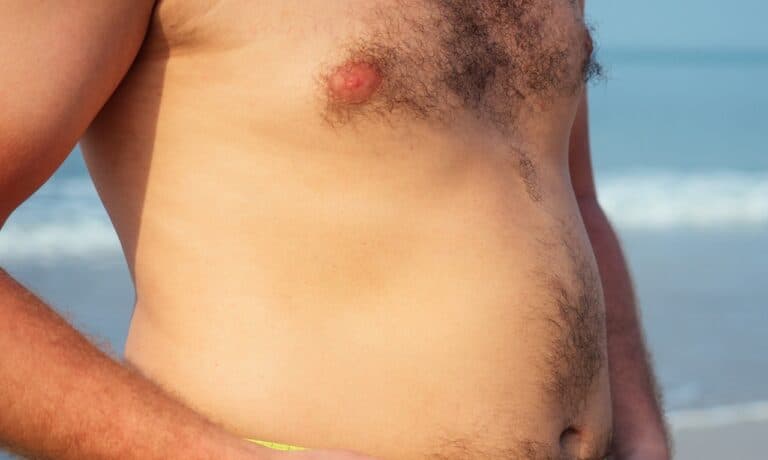
Your choices in the days and weeks after surgery make a big difference in how quickly swelling fades. Patients who stick to healthy habits see smoother and faster recovery.
Eating and Drinking for Swelling Control
Hydration helps your body flush out swelling. Drink at least eight glasses of water daily. Avoid alcohol and salty foods, as these can make swelling last longer.
Choose meals rich in protein, healthy fats, and antioxidants. Fruits, vegetables, lean meats, and whole grains all support healing and tissue repair.
Gentle Movement and Activity
You must rest in the first week, but getting up to walk slowly each day prevents fluid pooling and lowers your chance of blood clots. Avoid lifting anything heavier than five pounds in the initial two weeks as you prepare for a safe, gradual return to working out after gynecomastia surgery.
Light stretching keeps your circulation moving and prevents stiffness. Follow our surgeon’s guidance before returning to exercise or sports.
Avoiding Swelling Triggers
Smoking or using nicotine slows healing and keeps swelling around longer. Stop these habits before and after your surgery for the best results.
Turning down hot showers, steam rooms, or saunas also prevents increased swelling. Heat widens blood vessels and draws more fluid into your healing tissue.
Warning Signs: When to Reach Out for Help
Some swelling always happens, but certain changes might mean a problem is developing. Call our office immediately if you notice any warning signs listed here.
Red Flags After Gynecomastia Surgery
We want you to know the difference between normal and concerning changes. Look for these symptoms:
- Sudden, large swelling: Fast and dramatic changes may signal bleeding or a seroma beneath your skin.
- Sharp, severe pain: Increasing pain, especially on one side, deserves immediate attention from our surgeon.
- Dark redness or warmth: Spreading redness, heat, or fever can mean infection.
- Fluid leakage: Yellow, green, or bloody fluid coming from the incision should be reported right away.
- Shortness of breath or chest pain: Rare, but serious complications may cause these symptoms and need emergency care. Most patients heal smoothly, but our surgical team is always available to answer questions or examine your recovery.
Swelling Timeline: What to Expect Week by Week
Gynecomastia swelling usually improves step by step. Knowing what to expect helps prevent unnecessary stress as you heal.
The First Week: Immediate Recovery
Swelling usually appears right away, starting on the day of the procedure. The area may look puffy or feel tight over your chest. Peak swelling often arrives by days three to five, then slowly begins to fade.
Sticking to your cold compress routine, wearing your compression garment, and elevating your upper body are top priorities now.
Weeks Two to Four: Reducing and Resolving
In the second and third week, you will likely notice swelling start to decrease. The chest contours begin to take shape. Some patients still notice mild puffiness, especially at night or after physical activity.
Continue using your compression vest and stay active with gentle walking. Most people stop cold compresses after the third day.
One Month and Beyond: Final Results Reveal
By week four, much of the swelling should disappear, and any discomfort should go with it. A small amount of swelling may remain for up to three months, especially if you have thicker skin or high levels of physical activity.
If your swelling has not started to go down after two weeks, or if you worry about your progress along your weekly recovery after gynecomastia surgery, reach out for a follow-up appointment at our Phoenix office.
Medical Support for Swelling: What Our Surgeon Can Provide
Sometimes extra help can make a big difference in controlling swelling. The Phoenix Gynecomastia Center always tailors follow-up care to your healing needs.
In-Office Techniques
If swelling continues well past the expected time frame, our doctor may use procedures to speed recovery. Fluid that collects under the skin (known as a seroma) can be removed with a small needle during a short office visit.
Our surgeon may recommend gentle lymphatic massage, which helps guide swelling away from the chest. These massages should be performed only with approval from our surgical team, not at home.
Prescription Medications
For moderate swelling or discomfort, our team may use anti-inflammatory medications to decrease fluid buildup. Antibiotics may also be given if there are signs of infection causing the swelling.
You should never take medication unless approved by our office, since some drugs increase bruising or hinder healing after surgery.
Tips for a Smoother Swelling Recovery Experience
Every patient’s recovery is unique, but a few simple habits play a major role in reducing swelling. These practical steps can help you stay comfortable and heal smoothly after gynecomastia surgery:
- Maintain good fluid intake: Drink enough water every day to help your body flush out excess swelling.
- Follow activity guidelines: Stick with walking and avoid strenuous exercise until our surgeon gives you the green light.
- Use your compression garment: Wear your surgical vest day and night for three weeks to promote the best healing and chest shape.
- Get proper rest: Sleep with your chest elevated to lower swelling and improve blood flow.
- Track your progress: Notice any changes and let our office know if something seems out of the ordinary. Consistency is the key with all these habits. Patients who follow these guidelines report less swelling and a faster recovery.
Frequently Asked Questions About Swelling After Gynecomastia Surgery
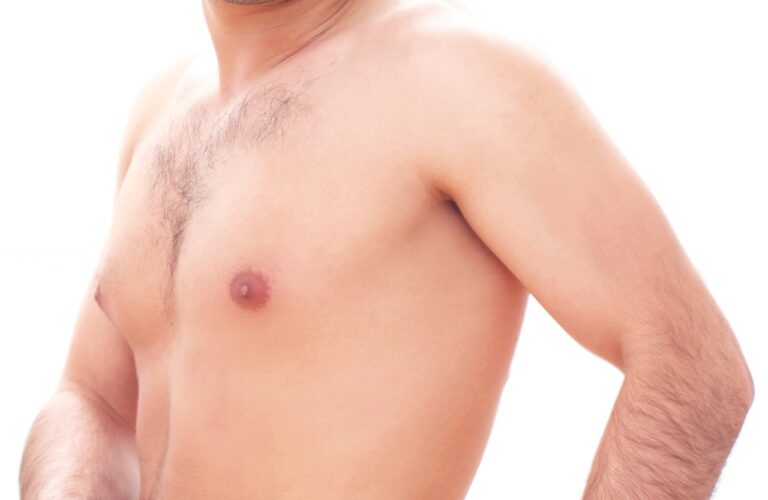
Patients often have similar concerns while healing from surgery. Here are some answers to the most common questions about managing swelling:
Achieving a Confident Recovery After Your Gynecomastia Procedure
Swelling is one of the most common and expected steps during the recovery from gynecomastia surgery. With the right care, patience, and guidance from our team at the Phoenix Gynecomastia Center, you can manage swelling successfully and watch your results reveal themselves.
A proactive approach makes a real difference. Wearing your compression garment, staying hydrated, getting gentle movement, and knowing when to reach out all help protect your outcome. Most swelling fades within three weeks, but every person heals at their own pace.
If you want more personalized guidance or you have concerns about your swelling, our staff at the Phoenix Gynecomastia Center is ready to help. Schedule a consultation or follow-up appointment with our experienced surgeon to take the next step toward the chest shape and confidence you deserve.