
If you’ve noticed an area of chest fullness or puffiness that will not seem to go away, even with regular workouts, you might feel frustrated or confused. Many men in Arizona visit our team at the Phoenix Gynecomastia Center asking whether exercise alone can solve the problem of gynecomastia.
Our surgeon understands how much effort you put into fitness and chest exercises, so it’s important to separate fact from myth about what exercise can actually do in managing or reversing gynecomastia. Let’s look at why some chests don’t flatten out with pushups and cardio, and what your next best step might be if your hard work isn’t paying off.
Key Takeaways
Gynecomastia Types and Causes
Gynecomastia is not simply extra chest fat. This condition results from an increase in the glandular tissue beneath the nipple, which often appears as swelling, tenderness, or a rubbery mass.
Several causes can trigger this tissue growth. For many patients, hormonal changes during puberty, aging, or certain medications create an imbalance between estrogen and testosterone. Some health conditions, such as thyroid issues or liver problems, can also play a role.
Our surgeon will often perform a full history and examination to ensure an accurate diagnosis before suggesting treatment options.
Distinguishing Gynecomastia from Pseudogynecomastia
Not every case of a swollen chest in men is true gynecomastia. Some patients experience pseudogynecomastia, where only fatty tissue builds up behind the nipple.
This difference is critical because while exercise and weight loss can shrink fat deposits, they do not touch glandular tissue. Our team may use an exam, medical imaging, or a patient’s health history to differentiate gynecomastia types. If you have true gynecomastia, surgery typically proves necessary for a lasting transformation.
How Exercise Impacts Chest Appearance
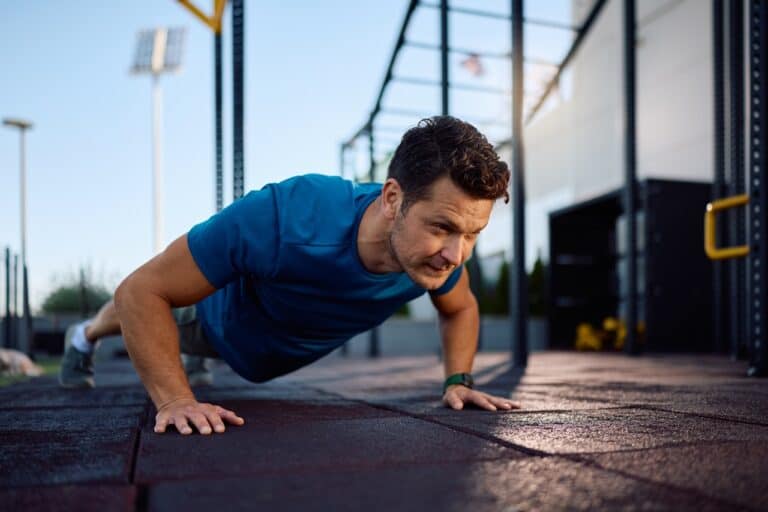
Many men try to target their chests with pushups, bench presses, and cardio, hoping that working the pectoral muscles will flatten the area. Exercise does benefit your physique in many ways, building strength and reducing general body fat.
However, muscle training cannot shrink glandular breast tissue. Even if you develop strong and defined chest muscles, the enlarged tissue can still cause puffiness or a mound beneath the nipple. Some men find that reducing overall body fat helps improve the look of pseudogynecomastia, although this solution proves less effective in hormone-driven gynecomastia.
Pseudogynecomastia and How Exercise May Help
If your condition is classified as pseudogynecomastia, physical activity and fat loss can make a real difference. Cardio exercises, such as running or cycling, and resistance training, which includes chest presses and rows, both help burn calories and promote lean muscle.
When body fat decreases, the fat deposited in the chest often decreases, too. Some men notice a flatter appearance after consistent training and a healthy diet. This change generally does not occur in the case of glandular gynecomastia.
Gynecomastia: Why Exercise Alone Falls Short
Exercise cannot remove the glandular component of gynecomastia, which has a firm, rubbery texture and does not respond to fat-burning activities. This tissue remains even when you have minimal overall body fat.
Muscle-building programs can create a more sculpted look around the glandular tissue, but the puffiness beneath the nipple rarely disappears with exercise. This is what brings many patients to see our surgical team after months or years of frustration at the gym.
The Role Hormones Play in Gynecomastia
Hormones have a powerful impact on the male chest.
Testosterone helps block the effects of estrogen in men, but when the testosterone-to-estrogen ratio shifts, glandular breast tissue can develop. This can happen during puberty, aging, or after using certain medications. Some conditions, such as obesity or tumors, can also disrupt hormone balance.
Addressing the hormonal cause might sometimes shrink the tissue, but most mature glandular tissue will persist once established.
Lifestyle Habits that Support a Flatter Chest
Although exercise cannot remove true gynecomastia, some healthy habits can support your confidence and health.
- Balanced nutrition: Eating whole foods that are high in protein, fiber, and nutrients while limiting added sugars can help with body composition and energy.
- Consistent activity: Regular physical activity, whether structured workouts or daily movement, benefits your mood and encourages a leaner physique.
- Limiting alcohol and drugs: Cutting down on substances that affect hormone levels will often lower the risk of glandular growth.
- Getting enough sleep: Rest improves hormonal regulation and helps with weight management.
Practicing these habits can keep your body strong and minimize fat-based chest fullness, even if glandular tissue remains.
Why Surgery is the Gold Standard for True Gynecomastia
Once glandular breast tissue grows, even the most dedicated exercise program cannot eliminate it. This tissue requires direct removal through surgery, which our doctor performs at our Phoenix office using minimally invasive techniques.
Gynecomastia surgery, or male breast reduction, targets the exact tissue causing bulges or puffiness and allows for precise contouring of the chest. This procedure removes the glandular tissue and, if necessary, unwanted fat for a firmer, flatter chest.

The Gynecomastia Surgical Process
Our surgeon customizes the procedure based on your needs and the extent of glandular tissue or fat. The process typically involves a discreet incision at the edge of the areola under local or general anesthesia. The glandular tissue is carefully excised.
In cases with excess fat, our team may recommend liposuction to achieve even, smooth results. Patients can expect to see immediate changes in chest contour after surgery, with swelling subsiding over the following weeks.
Comparing Results: Surgery vs. Exercise
Patients often ask how the results from exercise differ from those achieved with surgery. You might wonder if a strict program could lead to a similarly flat chest.
While exercise will tone the pec muscles and give your chest a firmer feel, glandular tissue sits above the muscle, so it still creates fullness. Surgery removes the physical source of the puffiness, which leads to a dramatic, permanent change that exercise cannot match.
Who is a Good Candidate for Gynecomastia Surgery?
Our surgical team evaluates each patient individually. Several factors may influence whether surgery is appropriate:
- Age: Male breast tissue caused by puberty often resolves on its own within a few years, while adults typically require surgery for lasting correction. Notably, gynecomastia in newborns is also common but usually disappears naturally within a few weeks after birth.
- Medical history: Patients should be in good health, with stable hormone levels and no active medical problems that could impact surgery or healing.
- Realistic expectations: Surgery provides permanent improvement, but results depend on following aftercare instructions, including safe timing for working out after gynecomastia surgery, and maintaining a healthy lifestyle.
The Benefits and Risks of Surgical Treatment
Surgery offers a long-term solution for chest contour, but as with any procedure, it carries both advantages and potential drawbacks. Consider the following when weighing your options:
Benefits:
- Permanent removal: Surgery directly removes tissue for lasting results.
- Boost in self-esteem: Many patients feel greater confidence in social and athletic situations.
- Improved comfort: Tight clothing and physical activities become easier and less embarrassing.
Risks:
- Temporary swelling or bruising: Some swelling and discoloration are part of the healing process.
- Scarring: Incisions are placed carefully, but a faint scar may remain.
- Possible need for revision: Rarely, a second procedure may be required for optimal symmetry.
Overall, most patients at our Phoenix practice find the benefits far outweigh the risks.
What to Expect During Recovery
Our doctor provides personalized instructions to encourage safe and comfortable healing. Most patients describe only mild to moderate discomfort for a few days after gynecomastia surgery, which pain medication controls well.
Activity restrictions are usually in place for one to two weeks, especially for heavy lifting or intense workouts. Wearing a compression garment can help decrease swelling and support the new chest contour. Our team will follow up with you several times to monitor results and address any questions.
Long-Term Results and Maintenance
Gynecomastia surgery produces lasting changes, as the removed tissue does not regenerate. Staying active and maintaining a stable weight will ensure that your chest continues to look its best for years to come.
Follow a healthy diet, avoid substances that impact hormones, and complete routine medical check-ups to further protect your results. Most patients enjoy a dramatic boost in confidence and are pleased with their appearance in all styles of clothing.
When to Seek Professional Advice
If you notice persistent swelling, tenderness, or changes in your chest, a consultation at the Phoenix Gynecomastia Center is a smart next step. Our surgeon can help determine whether the issue is true gynecomastia or another condition.
Early evaluation rules out possible medical causes and allows you to make an informed plan for your health. We encourage patients to reach out anytime questions or concerns arise about chest appearance or treatment options.
Misconceptions about Exercise and Gynecomastia
Many myths persist in gyms and online forums about the connection between chest exercises and gynecomastia reduction. Our team wants every patient to have clear, accurate information, so let’s address a few common misconceptions:
- Spot reduction is possible: Targeting chest fat with exercises will not eliminate glandular tissue. Spot reduction does not work for fat or glandular removal.
- Certain diets can shrink gynecomastia: Diet helps with overall fat loss, but will not affect glandular tissue.
- Gynecomastia always resolves with weight loss: While chest fullness from fat may improve, glandular gynecomastia almost never resolves on its own if you are past puberty.
Clarifying these points saves our patients both time and frustration as they consider the best way to reach their goals.
The Emotional Side of Gynecomastia
Gynecomastia affects not just the body but often a person’s sense of self-assurance. Some men feel self-conscious at the pool, gym, or in fitted shirts.
While exercise helps improve mood and general well-being, addressing the physical cause of chest swelling with surgery can provide true relief. Our team approaches each patient with respect, listening carefully and working together on a treatment plan that suits your needs and lifestyle.

A Personalized Approach to Chest Contouring
No two cases of gynecomastia are exactly the same, so our surgeon customizes each approach. Our surgical team at the Phoenix Gynecomastia Center considers the following factors when planning your care:
- Patient goals: What changes do you hope to see in your body?
- Physical exam findings: How much glandular or fatty tissue is present?
- Health history: Are there any medical conditions or medications involved?
- Activity level and body type: How do your daily habits affect results and healing?
A detailed consultation helps our team recommend the options that fit your anatomy and expectations the best.
Common Questions about Exercise and Gynecomastia
Many patients come to our practice with similar questions about this topic. Here are responses to some of the most frequent concerns:
Your Next Steps Toward Chest Confidence
Gynecomastia is common, and many patients find that exercise alone does not create the results they want. Clear identification of whether your chest contains glandular or fatty tissue serves as the first key step, alongside supportive lifestyle choices and open communication with our surgeon.
If you are tired of covering up or working harder in the gym without seeing progress, a consultation at our Phoenix office can provide the answers and solutions you deserve. Our team at the Phoenix Gynecomastia Center is ready to help you regain comfort, confidence, and freedom in your body, starting with the facts and moving forward with proven approaches designed for lasting success.
Reach out today to schedule your one-on-one consultation and take the next step toward the chest contour you desire.