
Experiencing breast changes as a man can feel confusing and lead to a long search for answers. Many men who visit the Phoenix Gynecomastia Center come in after already receiving other diagnoses that do not explain their concerns.
An accurate diagnosis for gynecomastia matters for both your peace of mind and your treatment plan. Recognizing the most frequent misdiagnoses and learning how to avoid them can make your journey toward treatment much smoother and less stressful.
Key Takeaways
Understanding Gynecomastia
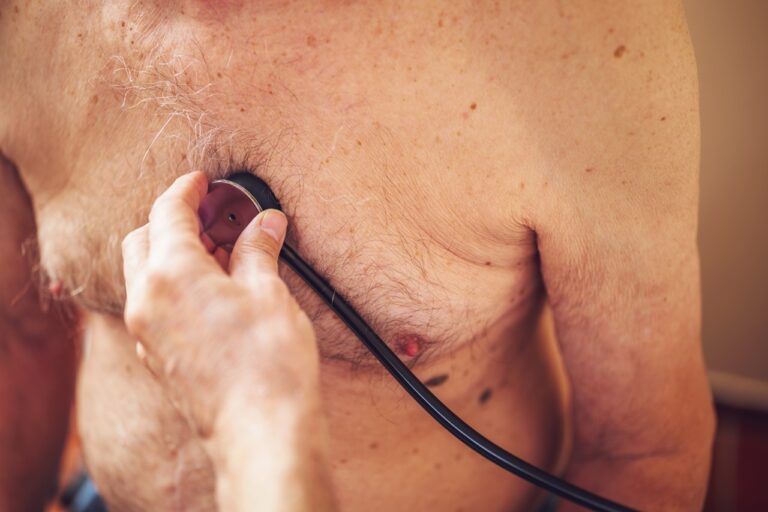
Before diving into misdiagnoses, it helps to clarify what sets gynecomastia apart from other causes of male breast growth. At its core, gynecomastia is the benign enlargement of male breast glandular tissue. This growth results from an imbalance between estrogen and testosterone that causes excess breast gland tissue, rather than extra fat or masses.
Medications, aging, medical conditions, and hormonal shifts can all contribute. Sometimes, gynecomastia happens during puberty and then naturally subsides, but persistent cases are common in adult men.
The key symptoms of gynecomastia involve a firm, rubbery disk of tissue under the nipple, which can feel tender or slightly painful. Swelling is often symmetrical and directly under the areola, but can extend outwards. When our surgeon evaluates new patients, we look for features that differ from simple fat or other breast lumps. Let’s look closely at the conditions that often compete for this diagnosis.
Most Common Conditions Mistaken for Gynecomastia
As we meet new patients, we often encounter several medical conditions that closely resemble gynecomastia. Recognizing these alternatives helps ensure you get the right treatment while avoiding unnecessary worry.
Pseudogynecomastia
Pseudogynecomastia stands out as the most frequent look-alike. Unlike true gynecomastia, pseudogynecomastia involves only extra fat in the breast area, not actual glandular breast tissue. This condition often arises from weight gain and can be seen in overweight or obese men.
When our surgeon examines the chest, the key difference involves the feel of the tissue, often evaluated using the pinch test, where pseudogynecomastia feels soft and uniform, unlike true gynecomastia, which reveals a firm or rubbery mass directly behind the nipple. Treating pseudogynecomastia usually focuses on weight loss and exercise, rather than surgery targeting glandular tissue.
Lipoma
A lipoma is a benign fatty tumor that can cause a lump or swelling. Lipomas sometimes appear in the chest area and mimic the lumpiness or asymmetry that men notice with gynecomastia. However, lipomas usually present as soft, well-defined, movable lumps and are not directly under the nipple. They rarely cause tenderness.
Our doctor watches for these differences during a careful physical exam. Lipomas often require only monitoring unless they grow or cause discomfort, so confusing the two can lead to overtreatment.
Male Breast Cancer
Male breast cancer, though less common, deserves special attention. Sometimes patients discover a lump and immediately worry about cancer. In contrast to gynecomastia, breast cancer is more commonly a hard, fixed, irregular lump. It may not sit directly behind the nipple and often feels different from typical glandular swelling.
Redness, skin retraction, or nipple discharge especially warrant a close look. Mammography or ultrasound plays a crucial role in distinguishing cancer from benign causes. Early attention to these signs can ensure prompt and appropriate action.
Enlarged Lymph Nodes
Enlarged lymph nodes, known medically as lymphadenopathy, can also create a visible lump near the chest wall or armpit. These nodes typically feel firm, round, and are not centered under the areola. Infections, inflammation, or cancer can enlarge lymph nodes, so a thorough history helps pinpoint the cause.
A clear distinction between gland tissue and a lymph node is essential. Lymph nodes may fluctuate in size or move slightly beneath the skin, setting them apart from the fixed, disc-like mass of gynecomastia.
Hormonal or Systemic Causes
Lastly, a broad range of hormonal or systemic conditions can stimulate breast growth. These include certain testicular, adrenal, or pituitary disorders, along with the use of anabolic steroids or medications that alter hormone levels. Gynecomastia triggered by hormones often presents alongside other symptoms, such as decreased libido or fatigue.
A detailed medical history and blood work help our surgical team identify when something else may be driving the breast change. Prompt diagnosis prevents unnecessary treatments and uncovers underlying health issues that deserve attention.
Signs and Symptoms That May Lead to Misdiagnosis
Many conditions present overlapping signs, making it important to spot the subtle differences. We look for certain clues during our physical exam and intake discussion.
Overlapping Features
Some of the most confusing symptoms among these conditions include:
- Presence of Breast Lump: Nearly all these causes, from lipomas to lymphadenopathy, can result in a palpable mass or swelling within the male breast or chest wall.
- Tenderness or Discomfort: Both gynecomastia and certain infections can lead to pain or sensitivity. Though breast cancer less commonly causes pain, the overlap still complicates diagnosis.
- Changes in Size: Both pseudogynecomastia and hormonal gynecomastia can cause slow, steady breast enlargement, which may make the patient unsure about when to seek help.
Despite these similarities, taking the time for a careful examination reveals patterns and details that point to the correct diagnosis.
Distinguishing Features
Careful questioning and physical assessment help our doctor spot telling differences. For example, glandular gynecomastia usually forms a symmetrical, rubbery disk under the nipple, while masses outside the areola, in other quadrants, or fixed hard lumps suggest a different cause.
A history of rapid weight changes points toward pseudogynecomastia, particularly without nipple tenderness. Nipple changes, skin retraction, or a sudden onset in older men can raise suspicion for cancer or an underlying hormonal disorder.

Key Diagnostic Tools for Differentiation
Proper diagnosis requires a stepwise, focused approach. Each diagnostic method plays a vital part in distinguishing gynecomastia from similar-appearing conditions.
Clinical Physical Exam
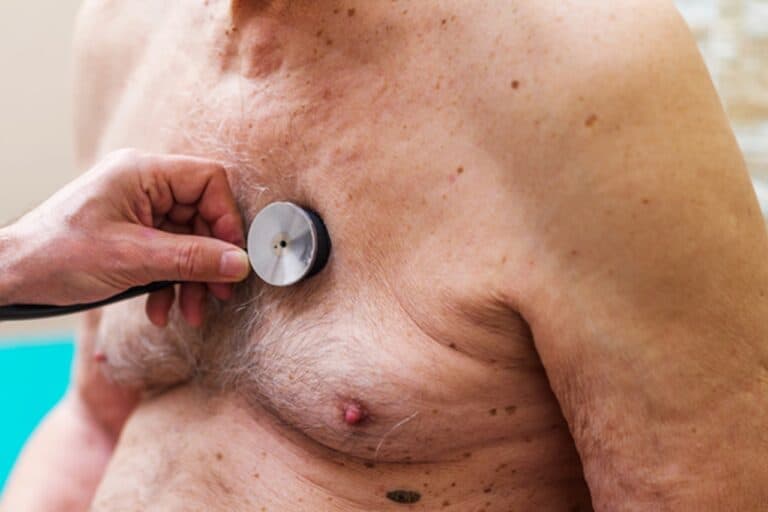
The first step often starts with a thorough physical exam. Our surgeon uses inspection and gentle palpation to assess tissue firmness, location, mobility, and size. True gynecomastia presents as a firm, disk-shaped mass directly beneath the nipple, while soft, diffuse swelling suggests pseudogynecomastia.
Lipomas feel soft, rounded, and mobile, and lymph nodes are easily detected as discrete, round features. This hands-on exam provides valuable clues, guiding further evaluation.
Medical History and Medication Review
A careful medical history sits at the core of every initial visit. We ask about medication use, family history, prior illnesses, supplement intake, alcohol use, and recent stressors. Certain medications and substances frequently cause hormonal changes that lead to gynecomastia rather than other causes.
Imaging Modalities
For unclear or complex cases, imaging studies provide crucial information:
- Ultrasound: This tool helps identify whether the tissue beneath the nipple is glandular, fatty, or suspicious for cancer. Ultrasound also effectively distinguishes between a lipoma, cyst, or solid tumor.
- Mammography: Although less common in male patients, mammography can help rule out malignancy, especially for men over 40 or those with risk factors or concerning findings on an exam.
- MRI: Occasionally, MRI serves as an adjunct in particularly confusing or recurrent situations, though it is seldom the first test.
A full explanation of test results ensures each patient understands their diagnosis before proceeding with surgery or medical management.
Laboratory Testing
Our doctor sometimes orders blood tests when symptoms suggest hormonal imbalances or systemic disease. These tests check levels of testosterone, estrogen, liver enzymes, kidney function, thyroid hormones, beta-hCG, and prolactin. An abnormal result points to possible tumors or gland dysfunctions beyond simple gynecomastia.
Major Causes of Misdiagnosis
Many misdiagnoses stem from common areas of confusion or incomplete evaluation. Recognizing where mistakes happen can help patients and clinicians work together to minimize risk.
Reasons for Diagnostic Errors
Several pitfalls contribute to these errors. Below, we highlight the most frequent causes:
- Incomplete Examination: Rushed physical exams overlook subtle differences between lump types or fail to fully assess the areola, axilla, and surrounding tissue.
- Assumptions Based on Appearance: Some health providers assume male breast swelling must be gynecomastia without considering fat or cancer, especially in young or athletic men.
- Medication and Health History Misses: Medication lists or supplement histories are often incomplete or overlooked, ignoring key triggers for breast tissue changes.
- Skipped Imaging: Imaging tests like ultrasound are bypassed, leading to missed alternative diagnoses such as cysts or tumors.
- Overlooking Cancer Risk: Rarely, a male breast lump is dismissed as harmless without screening for malignancy, delaying critical care.
- Lack of Endocrine Evaluation: Hormonal disorders can get missed when bloodwork is not ordered, leaving the underlying cause untreated.
Each of these problems underscores the need for an attentive, methodical approach guided by an experienced specialist.
Strategies to Avoid Misdiagnosis
Preventing errors takes a combination of awareness, good communication, and proper evaluation. As physicians, we value your time and trust, and we take several concrete steps to get to the right answer as swiftly as possible.
Essential Steps for Patients
We coach patients to take an active role in the diagnostic process. Consider these recommendations if you notice breast changes or lumps:
- Be Honest About Timelines: Report when you first noticed changes and whether symptoms have shifted over time.
- Disclose All Medications and Supplements: List every prescription, over-the-counter drug, and supplement, since many can alter hormone levels.
- Mention Related Symptoms: Tell your doctor about testicular pain, weight changes, nipple discharge, or fatigue for a more accurate diagnosis.
- Ask for Clarity: Do not hesitate to seek explanations about your condition, the next step, or why specific tests are being ordered.
- Follow Up After Testing: Once imaging or blood work is complete, ask for a full review of the results and the plan moving forward.
These steps empower you to act as your own advocate and help streamline your care.
What to Expect from Your Specialist
At our practice, you can expect:
- A thorough physical exam that checks both local and regional anatomy.
- A detailed history that explores contributing conditions, medications, or family risk factors.
- Imaging referrals when initial findings or risk factors suggest the need for more information.
- Endocrinology referral in selected cases with lab abnormalities or when a hormonal root cause emerges.
- Clear communication that includes discussing imaging and lab test results, along with next steps.
Our surgeon connects these steps into a thoughtful, patient-centered approach every visit and every diagnosis.
When It’s Time to Seek a Second Opinion
Patients sometimes feel unsatisfied or uncertain about an initial diagnosis. Knowing when to seek further input ensures peace of mind and the best care.
Reasons to Request Another Evaluation
Request a second opinion if:
- Symptoms do not match your diagnosis (e.g., unchanging lump despite weight loss)
- Worsening or new symptoms develop, especially pain, discharge, or skin changes
- You feel your concerns were rushed or not addressed fully
- Initial treatment has not worked as expected
A second evaluation offers new insight, catches overlooked diagnoses, and clarifies treatment pathways. The Phoenix Gynecomastia Center regularly welcomes patients for diagnostic reassessment.
How Primary Care Providers Support a Precise Diagnosis
Referring physicians and primary care providers play a central role in identifying and addressing male breast swelling. Here are several recommendations aimed at improving accuracy and patient outcomes:
- Always palpate both breasts and axillae, then note the location, size, texture, and tenderness of any lump or swelling.
- Do not dismiss male breast lumps as purely benign before obtaining a detailed history and considering imaging.
- Refer to imaging early if any suspicion exists for malignancy or if the case is unclear after the exam.
- Ask about hormone-active medications and supplements as a routine part of your intake.
- Consider laboratory evaluation when clinical or historical clues point toward endocrine dysfunction.
- Encourage your patient to see a specialist in gynecomastia or male breast surgery for persistent, distressing, or atypical findings.
Collaboration between primary care and specialty practices speeds up diagnosis and ensures every patient receives personalized care.
Trusting the Diagnostic Process
Accurate diagnosis builds reassurance and enables the best possible outcome. At our Phoenix office, our surgeon dedicates each visit to clarity, compassion, and attention to detail.
By learning to recognize the common misdiagnoses for gynecomastia, you can avoid unnecessary delays or worry and focus on effective solutions from the very first appointment. Remember that male breast swelling is rarely harmful, but it always deserves a thoughtful evaluation.
If you have questions, notice symptoms, or wish to schedule an expert assessment with the Phoenix Gynecomastia Center, our team stands ready to help. When you’re prepared for your visit and informed about your options, you set the course for confident decision-making and a more comfortable future.