
Marijuana use has increased over the past decade, which often sparks new questions about personal health. Men in Scottsdale and throughout Arizona are especially interested in the potential links between cannabis and specific medical conditions.
At the Phoenix Gynecomastia Center, our team frequently answers questions about male breast growth and marijuana. Understanding the relationship between marijuana and gynecomastia is essential to making informed decisions about your health and treatment options.
Below, we break down what science says about marijuana and gynecomastia, the underlying causes, symptoms to watch for, and steps you can take if you notice changes in your chest. Let’s examine what you should know if you have concerns about male breast tissue growth.
Key Takeaways
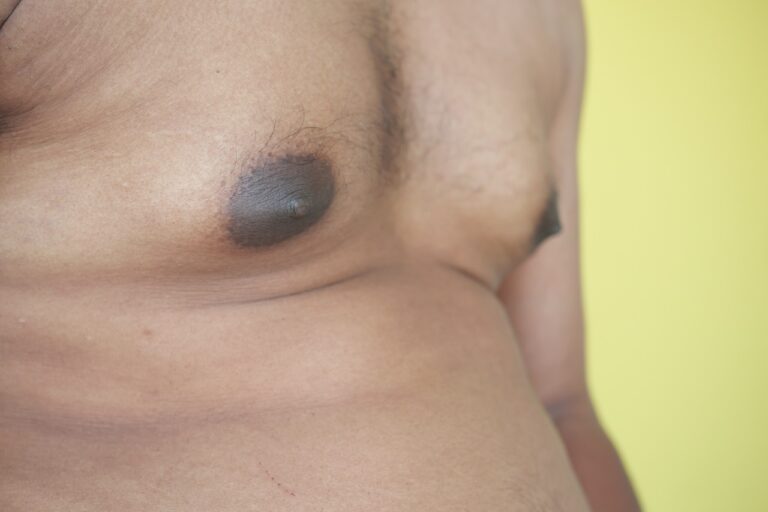
Understanding Gynecomastia
Gynecomastia refers to the benign enlargement of glandular breast tissue in males. This condition frequently affects boys during puberty and older men due to natural hormonal changes.
Causes of Gynecomastia
Multiple factors can disrupt the balance of androgens (testosterone) and estrogens in the male body. Below are several of the most common causes:
- Natural Hormonal Shifts: Puberty, aging, and certain life stages often bring about hormonal imbalances that can stimulate breast tissue growth. This happens even in those with healthy lifestyles.
- Medications: A wide range of prescriptions, including anti-androgens, certain psychiatric drugs, some antibiotics, and chemotherapy agents, are known to cause gynecomastia as a side effect.
- Underlying Health Issues: Disorders such as liver disease, kidney failure, thyroid imbalance, and hormone-secreting tumors sometimes lead to excessive estrogen activity.
- Substance Use: Regular intake of substances like alcohol, anabolic steroids, some herbal supplements, and certain illicit drugs has also been closely linked to male breast tissue development.
This diversity of causes requires a detailed medical consultation. Our surgeon will talk through your complete health, medication, and substance use history before recommending any treatment plan.
What Gynecomastia Looks and Feels Like
Most men with gynecomastia notice a soft, rubbery mound or disk-like tissue directly beneath the nipple. This tissue is usually symmetrical and distinct from simple fat accumulation.
While some patients experience mild sensitivity or tenderness, pain severe enough to interfere with daily life is less common. Clothing may feel tighter in the chest area, and some men feel self-conscious about the change.
How Marijuana Affects the Male Body
To understand the potential connection between marijuana and gynecomastia, it is helpful to know how cannabis interacts with the body’s systems. The primary psychoactive ingredient in marijuana, tetrahydrocannabinol (THC), influences the endocannabinoid system, which regulates mood, appetite, immune response, and hormone release.
How Cannabis Impacts Hormones
Cannabis use appears to have a complex effect on the body’s hormonal regulation. Several mechanisms come into play:
- Testosterone Levels: Studies indicate that regular or heavy marijuana use can cause lower circulating testosterone. Lower testosterone may tip the balance toward estrogen activity, which can prompt breast tissue growth.
- Estrogen Activity: Some laboratory models suggest THC might indirectly stimulate estrogen production or activity. This creates an environment where male breast enlargement is more likely.
- Gonadotropin Suppression: Marijuana use has been associated with decreased secretion of LH (luteinizing hormone) and FSH (follicle-stimulating hormone), which play direct roles in regulating testosterone production.
Despite these findings, research remains inconclusive. Differences in age, frequency and amount of consumption, genetics, and other lifestyle habits all influence the true effect on any one person.
Can Occasional Use Cause Gynecomastia?
Most evidence suggests that occasional cannabis use does not significantly increase the risk of gynecomastia for the average man. Male breast tissue changes typically occur only in those with established risk factors, long-term exposure, or additional hormone-disruptive elements.
What Research Says About Marijuana and Gynecomastia
For decades, clinicians and patients alike have questioned whether marijuana definitively causes gynecomastia. Early reports in the 1970s and 1980s identified a possible connection, but modern studies have challenged or complicated these initial assumptions.
Overview of Studies
While some research points to a relationship between cannabis and gynecomastia, the overall scientific landscape remains mixed. Here is a summary of what peer-reviewed literature currently tells us:
- Small Clinical Reports: Several case studies describe young men with gynecomastia who reported regular cannabis use. Symptoms sometimes improved when use stopped.
- Population Data: Large-scale studies find that rates of gynecomastia have not increased in tandem with public marijuana use, and many frequent users do not develop breast tissue changes.
- Endocrine Studies: Experimental trials show that high doses of THC can reduce testosterone and sperm production, but not always to levels drastic enough to trigger gynecomastia on their own.
In the absence of a clear, direct cause-and-effect relationship, it is safer to think of cannabis as one potential but not inevitable factor among many.
Why Is Proving the Link So Difficult?
Researchers face several challenges when studying cannabis and gynecomastia. Self-reported use complicates accurate measurement, many participants have multiple risk factors, and dosage is difficult to standardize. Genetics may also play a larger role than previously realized.
Because gynecomastia develops slowly, pinpointing a single cause can be nearly impossible in most cases.
Recognizing Symptoms of Gynecomastia Versus Other Breast Changes
It is critical to distinguish true gynecomastia from pseudogynecomastia. The difference between these two conditions determines treatment and surgical planning.
Gynecomastia Versus Pseudogynecomastia
True gynecomastia consists mostly of glandular (firm, rubbery) tissue, whereas pseudogynecomastia refers to soft, fatty tissue around the male breast. At our office, we regularly encounter both.
Distinguishing features include:
- Texture: Glandular tissue is firmer and sometimes tender. Fat feels softer and is often painless.
- Location: Gynecomastia forms right under the nipple. Fatty tissue is usually more spread throughout the chest.
A skilled surgeon will feel the tissue under the nipple and may recommend imaging, such as ultrasound or mammography, to clarify the diagnosis.
Symptoms Requiring Medical Attention
While most breast enlargement in men is benign, our team urges patients to seek prompt evaluation if they notice:
- Unilateral (one-sided) breast growth
- Nipple discharge, especially if bloody or clear
- A hard, irregular, or fast-growing lump
- Skin changes or dimpling around the nipple area
These red-flag symptoms may reflect another medical problem that requires rapid assessment.

Who Faces the Greatest Risk? Cannabis and Other Key Factors
Not every man who uses marijuana will develop gynecomastia. Studies show that personal risk depends on multiple overlapping factors.
Key Risk Factors
Below, we outline the groups of men who face a higher likelihood of developing gynecomastia when using marijuana:
- Adolescents: Hormone levels are especially sensitive during puberty, so teens who regularly use cannabis face a somewhat higher risk.
- Men Over 50: Natural declines in testosterone with age increase the likelihood that marijuana will further tip hormone balance.
- Those with Other Risk Factors: Men who take prescription drugs known to alter hormones (such as anti-androgens or antipsychotics) or who have underlying health conditions like liver disease may be more susceptible.
- Genetically Predisposed Individuals: Some men have unique sensitivity to hormonal fluctuations and will develop breast tissue growth even at low cannabis doses.
In summary, multiple risk factors can amplify the impact of marijuana use on male breast tissue.
Diagnosing Gynecomastia: What to Expect
If you notice breast tissue growth and wonder if marijuana use may be involved, a thorough evaluation at our Scottsdale practice enables a precise diagnosis.
Steps of the Diagnostic Process
A typical workup for suspected gynecomastia includes the following:
- Detailed Medical History: Our surgeon goes over your full medical, medication, and substance use history to identify major risk factors.
- Physical Examination: The surgeon assesses tissue location, size, and character to distinguish between fat and gland.
- Blood Tests: Hormone levels (including testosterone, estrogen, LH, FSH, and prolactin) are checked to assess for any imbalance.
- Imaging if Needed: Ultrasound or mammography imagines the chest area to look for underlying tumors or other breast changes.
During the consultation, our surgeon may also discuss emotional and quality-of-life effects of breast tissue growth. This can help tailor the treatment approach to match each patient’s priorities.
Managing and Treating Marijuana-Associated Gynecomastia
When marijuana appears to contribute to gynecomastia, patients often want to know what options exist for reversing or removing breast tissue. At the Phoenix Gynecomastia Center, our surgeon walks patients through both non-surgical and surgical solutions.
Non-surgical Approaches
Quitting marijuana may sometimes lead to a reduction in breast size, especially in the early stages, but this is not guaranteed. If another medication or health condition also plays a role, addressing that factor is necessary for improvement.
Lifestyle adjustments, such as losing weight, optimizing nutrition, and avoiding other hormone-altering substances, can also help reduce symptoms for some men. Time can be a factor as well, since pubertal gynecomastia sometimes recedes naturally without intervention.
Surgical Treatment Options
When gynecomastia persists, especially if it significantly affects confidence or comfort, surgery remains the most reliable cure. Our male breast reduction surgery in Scottsdale targets both glandular tissue and excess fat for the best results.
During this outpatient procedure, our surgeon removes glandular tissue through a small incision at the edge of the areola, which minimizes visible scarring. Liposuction may be used as well for a smoother, more contoured chest shape.
Patients report a relatively short recovery time, with most able to resume work and light activities within a week. Full exercise and strenuous activity can generally be resumed after four weeks.
Supporting Recovery and Preventing Recurrence
A successful outcome from gynecomastia surgery or non-surgical management depends on ongoing lifestyle care. Our team offers advice after surgery about protective habits and steps to minimize recurrence risk.
Steps for Long-Term Success
Here are several important actions patients can take to support healing and maintain results:
- Avoid Hormone-Disrupting Substances: Steering clear of marijuana, anabolic steroids, and certain supplements may minimize future risk of breast tissue regrowth.
- Follow Healthy Lifestyle Habits: Eating a balanced diet, maintaining a stable weight, and exercising regularly all promote hormonal health.
- Attend Follow-Up Visits: Checking in with our surgeon after treatment ensures early identification of any complications or recurrence.
- Communicate About Medications: Always talk to the healthcare provider before starting any new medication that might affect hormone levels.
Combining these steps helps preserve your results and supports lifelong comfort and confidence.
Deciding on Surgery for Marijuana-Related Gynecomastia
Choosing surgery is a highly personal decision. When cannabis use likely contributed to gynecomastia, removing the tissue provides both physical and emotional relief.
Men who benefit the most from surgery at our Scottsdale office usually describe persistent, stable breast tissue for more than a year and have not seen improvement after stopping all suspected contributing factors. The main advantages of surgery include a flatter, firmer chest contour, relief from discomfort or emotional distress, and extremely low recurrence when the offending source has been eliminated.
If you are unsure about surgery or the expected results, our consultation process helps clarify what path will work best for your health, goals, and lifestyle.

Marijuana, Male Breast Health, and Moving Forward
Understanding the potential connection between marijuana and gynecomastia gives men the knowledge needed to make thoughtful decisions about their health. While the possibility of marijuana-induced gynecomastia remains a topic of debate, our surgeons at the Phoenix Gynecomastia Center see firsthand how personal risk varies based on age, genetics, and other factors.
If you notice changes in your chest or have concerns about cannabis and gynecomastia, do not hesitate to schedule a consultation. Early diagnosis often brings more options, from lifestyle changes to proven surgical treatments.
Our compassionate team in Scottsdale will help you sort through causes, discuss available treatments, and confidently guide you toward the right solution.
Reach out to the Phoenix Gynecomastia Center today for a private appointment. Empower yourself with answers and support on your journey to feeling your best.